Office:
Address:
204, Monarch Chambers, Marol Maroshi Road, Marol Naka, Andheri (E), Mumbai - 400059, India
Email: nadkarnispc@gmail.com
Tel: +91 9820373895 / 9619608942
Reach us

Office:
Address:
204, Monarch Chambers, Marol Maroshi Road, Marol Naka, Andheri (E), Mumbai - 400059, India
Email: nadkarnispc@gmail.com
Tel: +91 9820373895 / 9619608942

WhatsApp:
+91 9619643952 / 9820373895
Technical Support:
Email: sales@nadkarnispc.com
Tel: +91 7972884515 / 9820373895

Customer Support:
Email: bonding@nadkarnispc.com
Tel: +91 9820373895
BLOGS WRITTEN BY PHD STUDENTS
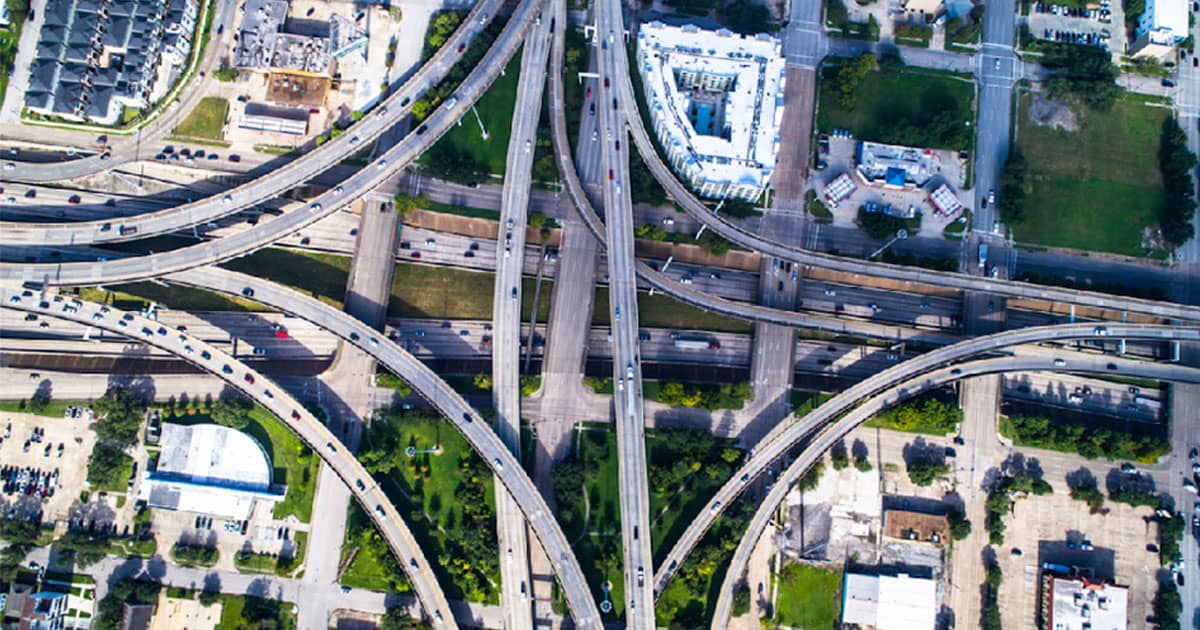
India is experiencing a pivotal era of growth and development, with significant investments being channeled into infrastructure projects. From constructing smart cities and high-speed rail networks to expanding roadways, airports, and ports, the nation is redefining its urban and rural landscapes. Initiatives like the ‘National Infrastructure Pipeline’ and increasing private sector involvement underscore India’s commitment to building resilient and sustainable infrastructure. These advancements bring immense opportunities, but they also present unique challenges for engineers, architects, and developers who must ensure that new infrastructure meets stringent quality, durability, and efficiency standards. Modern construction chemicals rise to this occasion, providing innovative solutions that enhance the performance and longevity of structures while accommodating the ambitious scale and speed of today’s projects.
Historically, construction relied on simple materials like cement, lime, and rudimentary waterproofing methods. While effective for their time, these approaches often faced challenges such as long curing times, vulnerability to environmental factors, and limited adaptability. Today, modern construction materials have brought about a significant shift. These advanced materials improve structural performance, enable quicker project completion, and incorporate sustainable practices into the construction process. This transition from traditional methods to high-performance construction materials has fundamentally redefined how infrastructure is designed, executed, and maintained, meeting the growing demands of urbanization and the need for climate resilience.

Construction chemicals are central to this transformation. These specialized products enhance the performance, durability, and aesthetic appeal of construction materials, ensuring structures can withstand the test of time and environmental pressures. Whether it’s skyscrapers, highways, or industrial complexes, construction chemicals are integral to modern construction techniques.
Key Categories of Construction Chemicals
Concrete Admixtures
Concrete admixtures are vital in modern construction, enabling customization of concrete properties to meet specific project requirements. These chemicals improve workability, allowing concrete to flow smoothly into complex formworks without compromising strength. They also regulate curing times to suit various climatic conditions, ensuring optimal performance. Furthermore, admixtures enhance durability by boosting resistance to freeze-thaw cycles and mitigating the risk of corrosion in embedded steel reinforcements.
Sealants and Waterproofing Agents

Sealants and waterproofing agents are essential for protecting structures from moisture-related damage. Sealants, such as silicone, epoxy and polyurethane, effectively seal joints and gaps, preventing the infiltration of water, air, and contaminants. Advanced waterproofing solutions, including liquid-applied membranes and crystalline compounds, create robust barriers that safeguard critical structures like basements, retaining walls, and swimming pools, ensuring longevity and structural integrity. Phenalkamines with their excellent moisture tolerance and water resistance make excellent curing agents for these applications.
Grouts and Anchoring Systems
Grouts and anchoring systems provide stability and reinforcement in construction. Precision grouts fill voids beneath heavy machinery and structural columns, stabilizing them against dynamic loads. Epoxy-based anchoring systems securely fasten reinforcement bars and bolts, delivering high load-bearing capacity and ensuring reliable connections in critical infrastructure projects such as bridges and industrial facilities.
Flooring Compounds

Modern flooring compounds deliver durable and aesthetically appealing solutions for various applications. Epoxy flooring systems, known for their exceptional chemical resistance, are widely used in industrial environments. Polyurethane flooring offers enhanced flexibility and abrasion resistance, making it suitable for dynamic spaces. Self-leveling compounds ensure smooth, even surfaces, which are particularly important in high-traffic areas such as warehouses and commercial buildings.
Protective Coatings
Protective coatings play a crucial role in extending the lifespan of structures by shielding them from environmental and chemical damage. Anti-corrosion coatings prevent rust and deterioration in steel structures like bridges and pipelines. Abrasion-resistant coatings protect surfaces subjected to heavy wear, such as industrial floors and loading docks, while chemical-resistant coatings safeguard storage tanks and pipelines from corrosive substances.
Repair and Restoration Products
Repair and restoration products are indispensable for maintaining and extending the life of aging infrastructure. Fiber-reinforced repair mortars restore the structural integrity of damaged concrete, while crack fillers seal cracks to prevent further deterioration. Bonding agents ensure effective adhesion between new and existing concrete layers, facilitating seamless and durable repairs.
Energy-Efficient Solutions

Energy-efficient solutions are increasingly integrated into construction practices to promote sustainability. Thermal insulation coatings reduce heat transfer, enhancing energy efficiency in buildings. Reflective paints minimize heat absorption on roofs and facades, lowering cooling costs and contributing to greener construction practices.
The Economic and Environmental Impact
Construction chemicals play a dual role in enhancing project performance and supporting sustainability goals. They reduce the frequency of repairs and replacements by extending the lifespan of structures, thus conserving resources. Low-VOC formulations and bio-based products further mitigate the environmental impact of construction activities, aligning with global sustainability trends.
Benefits of Epoxy Systems in Construction Projects
Epoxy systems have revolutionized the construction industry by significantly enhancing the durability and functionality of infrastructure.
The Future of Epoxy Systems in Construction
As the construction industry evolves, epoxy systems will continue to play a vital role in meeting emerging challenges. Innovations in bio-based epoxies, enhanced thermal properties, and nanotechnology are expected to expand their applications further, contributing to smarter, more sustainable infrastructure.

Conclusion
Modern construction chemicals, epitomized by epoxy systems, have fundamentally changed the way we build and maintain infrastructure, far surpassing the capabilities of traditional materials and methods. Today, advanced construction chemicals enable faster, stronger, and more sustainable development, perfectly aligned with India’s ambitious infrastructure goals. As the nation continues to expand its cities and industries, the strategic deployment of these materials will play a critical role in creating resilient and future-ready structures.
Further Reading:




Author:
Shikhin Nadkarni

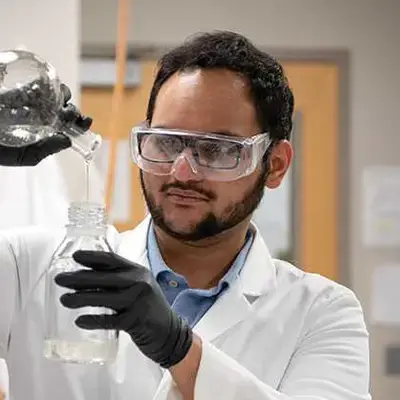
Shikhin is currently a PhD Student in Coatings and Polymeric Materials Department at North Dakota State University. He is a member of Dr. Dean Webster’s Research Group and his research focuses on Non-Isocyanate Polyurethanes as well as novel Epoxy systems. He is passionate about incorporating bio-based materials in polymers so as to reduce our dependance on petrochemicals.
Other Blogs

Shikhin Nadkarni
Ethers vs Esters: Which Bond Lasts Longer in Coatings?
Imagine two different types of glue—one that stays strong and stable in any environment, and another that can be dissolved and reconfigured under cert

Shikhin Nadkarni
Phenalkamides- The All-Weather Curing Agents
Hybrid Electric Vehicles (HEVs) are a hallmark of modern automotive innovation, blending the strengths of traditional internal combustion engines..
Iryna Bon
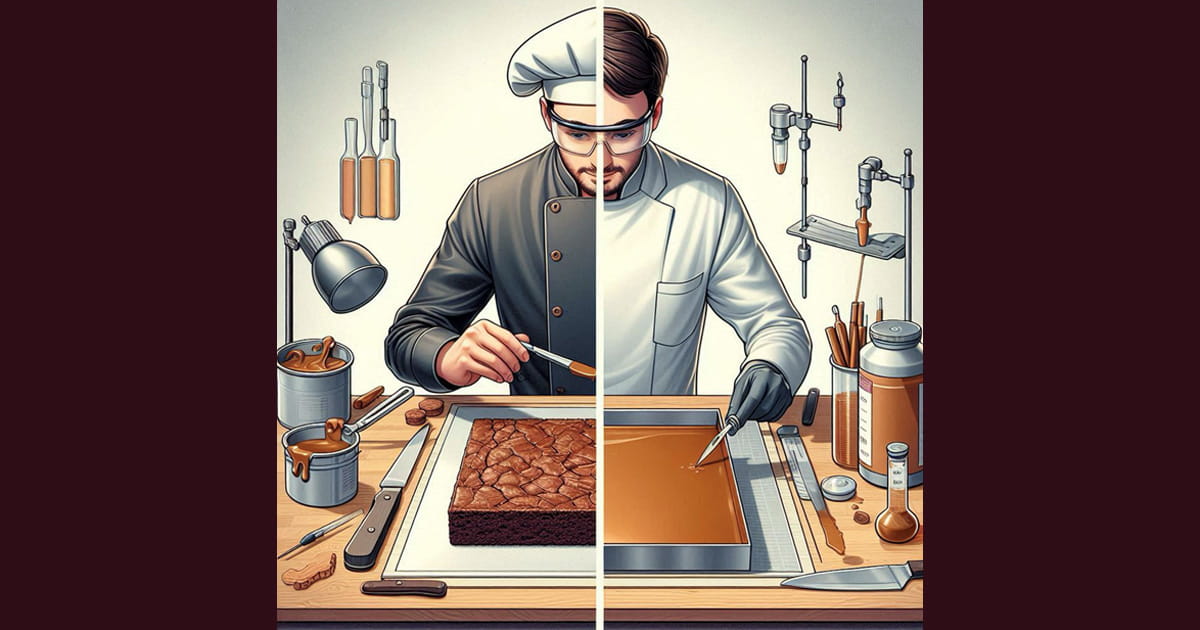
Mastering the Molecular Bake: A Guide to Modern Analytical Methods for Polymer Characterization
Polymers are an impure mixture of molecules of different sizes and shapes. Scientists have developed advanced equipment and methods to understand the

Shikhin Nadkarni
SIMPLIFIED: Paint Technology 101
Paint is everywhere. From the walls of our homes to the sleek finish on a car, coatings have become an essential aspect of modern life..
Shikhin Nadkarni
Understanding Cathodic Disbondment: A Comprehensive Exploration
Corrosion of metal is a common issue that causes massive financial losses. Cathodic protection (CP) is a popular method employed to prevent corrosion.

Shikhin Nadkarni
Chemistry in a Nutshell: Cashew Nut-Shells to Phenalkamines
The banana fruit is a renewable agricultural product packed with high nutritional value. Once we peel the banana to reveal and consume the superfood..

